2026 WINNER · CYBERSECURITY STARS AWARDS
Airia · Enterprise AI Platform
Most Innovative AI Governance Platform



Airia is the enterprise AI management platform designed to help organizations scale AI safely and confidently. As AI agents expand across SaaS platforms, cloud environments, and internal systems, enterprises face growing challenges around visibility, risk, and operational control. Airia addresses this by bringing orchestration, security, and governance together into a single cohesive platform.
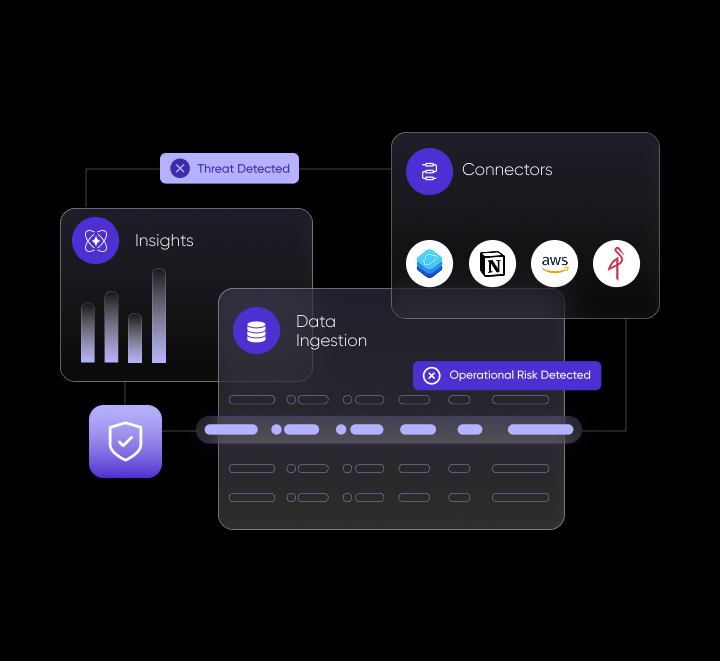
Airia gives organizations clear oversight into how AI is being used across the business – identifying both sanctioned and shadow AI, enforcing enterprise policies, and ensuring AI operates within define boundaries. Rather than relying on static documentation, Airia enables real-time protection and accountability across models, tools, and workflows.
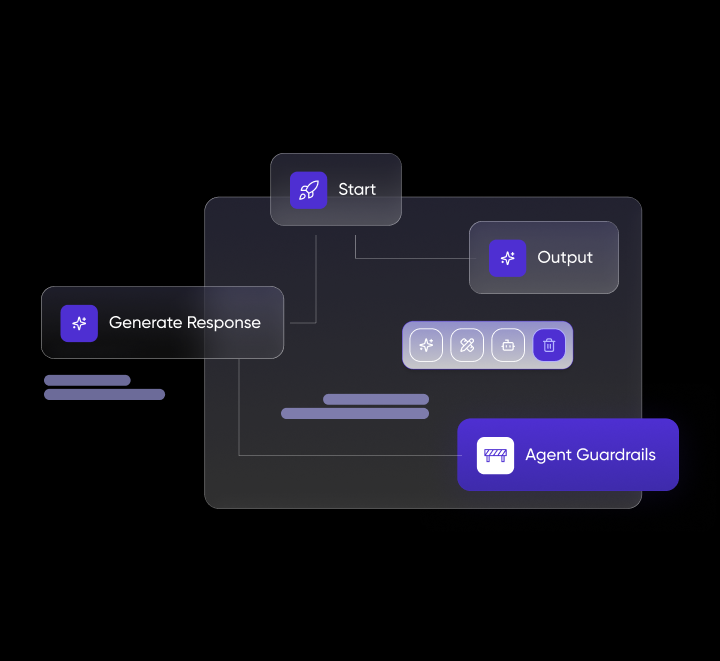
At the same time, Airia empowers teams to build and deploy AI agents within structured guardrails. Innovation happens within a secure framework, with cost visibility, model flexibility, and deployment options that align to enterprise standards.
By embedding governance directly into AI operations, Airia transforms AI from a fragmented liability into a controlled, scalable enterprise capability. Enterprises gain continuous oversight, centralized inventory, and defensible reporting aligned to evolving regulatory expectations such as the EU AI Act, NIST AI RMF, and ISO 42001.
Airia is the enterprise AI platform that unifies orchestration, security, and governance to help organizations scale AI with confidence. As a centralized layer across internal and third-party systems, Airia ensures AI is governed, monitored, and protected across the organization.
Airia is the only unified platform that discovers, secures, orchestrates, and governs AI agents across first-party and third-party environments with execution-level enforcement. Unlike hyperscalers that govern only within their own ecosystems, security point solutions that detect threats after they occur, or governance platforms that document risk without enforcement, Airia applies policy at runtime.
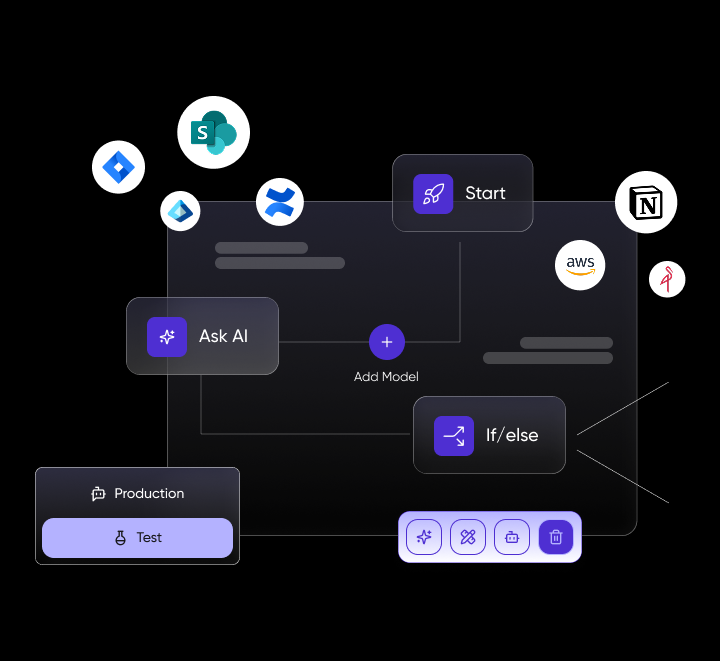
The platform's cross-platform proxy architecture intercepts AI agents regardless of where they were built—Copilot, Bedrock, Salesforce, or native development—and enforces guardrails on agent autonomy, tool execution, and data access. This runtime enforcement capability, combined with model routing for operational continuity, creates a unified control layer across the entire AI ecosystem while preserving vendor optionality.
Airia combines orchestration, security, and governance in a single integrated control layer. While orchestration platforms enable agent building, Airia provides governance and security at execution. While security vendors address specific threat vectors such as prompt injection and LLM misuse, Airia covers the entire agent lifecycle, from discovery to deployment to monitoring.
Distinctive capabilities:
Nominations for the 2027 Cybersecurity Stars Awards open later this year. Leave your email and we’ll send you one heads-up the day they go live.
We’ll email you the moment 2027 nominations open.